
How Water Treatment Programs Reduce Energy Costs and Extend Equipment Life in Industrial and Commercial Facilities
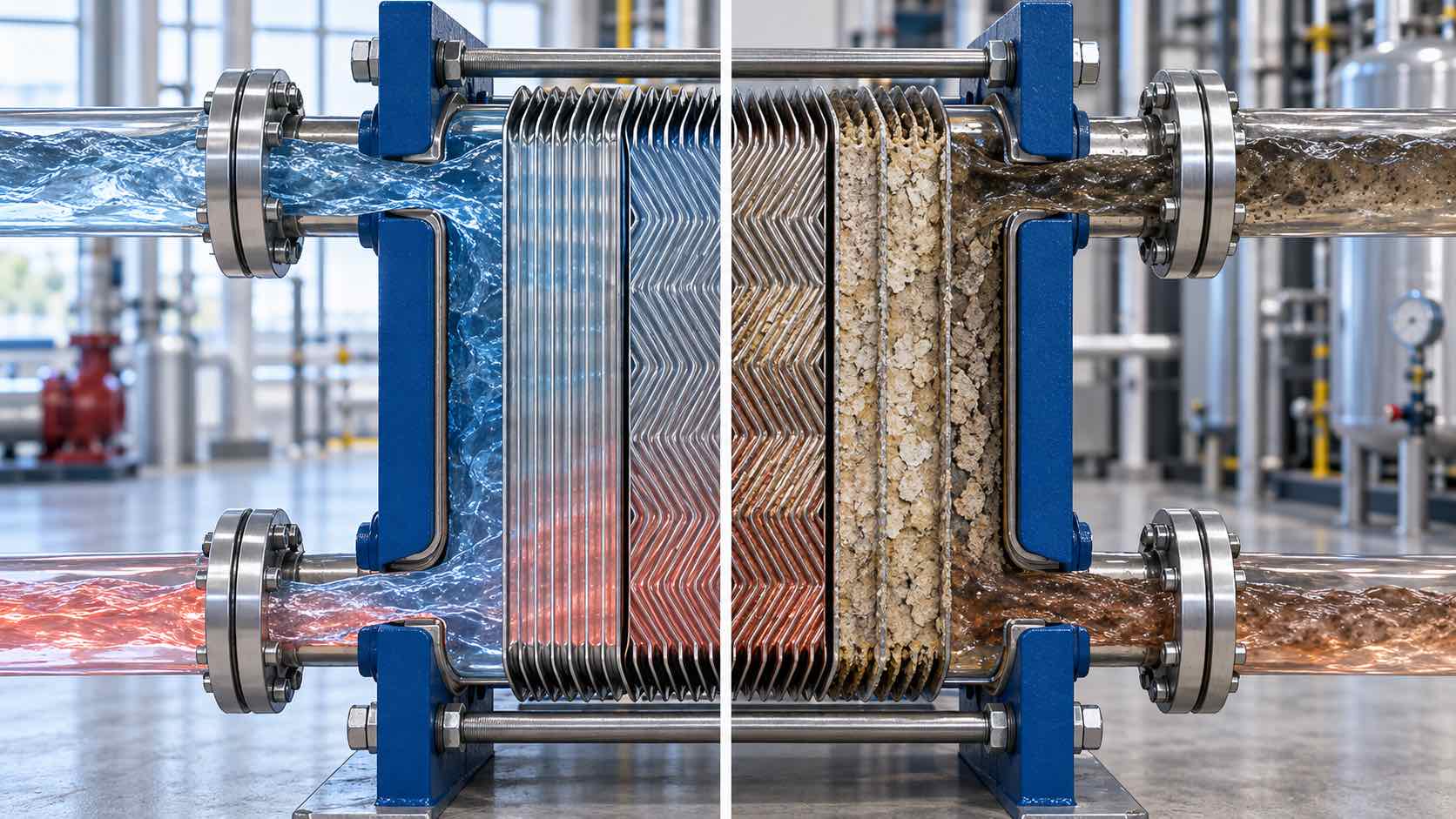
Quick answer: A properly implemented industrial and HVAC water treatment program can reduce energy consumption by 5 to 15 percent, extends boiler and chiller service life, and minimizes unplanned maintenance events. The mechanism is scale and fouling control on heat transfer surfaces. Here is what that means for your operating costs and capital plan.
When operations leaders and facility managers look for ways to reduce energy costs, industrial and HVAC water treatment rarely comes up first. Lighting retrofits, building automation upgrades, and mechanical replacements tend to dominate the conversation. Water treatment sits in the background, often treated as a maintenance cost rather than a performance lever.
That framing is costing operations real money. A well-designed water treatment program does not just keep systems clean. It directly improves thermal efficiency, reduces fuel and electricity consumption, and extends the useful life of equipment that is expensive to replace. The results are measurable, the investment is modest relative to the return, and the benefits compound over time.
The Link Between Water Quality and Energy Consumption
Most industrial and commercial water systems rely on water to transfer heat, through boilers, chillers, cooling towers, closed-loop hydronic systems, and heat pumps. The efficiency of that heat transfer depends heavily on water chemistry and the conditions it creates within the system. Untreated or poorly treated water can promote three primary issues that directly undermine system efficiency.
Scale Formation
When dissolved minerals, primarily calcium and magnesium, precipitate out of solution and deposit on heat transfer surfaces, the result is scale. Scale is a thermal insulator. Even a thin layer significantly reduces the rate at which heat moves across a surface, forcing the system to work harder to achieve the same output.
Industry data is consistent: 1.5mm of scale on a heat exchanger surface can increase energy consumption by 10 to 15 percent. For a facility running year-round operations, that energy penalty is a material cost, not a rounding error.
Corrosion
Untreated water can be corrosive. Over time, corrosion degrades pipes, fittings, heat exchangers, and other system components. Corrosion products, including rust particles, along with other suspended debris, can circulate through the system and accumulate on heat-transfer surfaces, reducing heat-transfer efficiency. They also contribute to biofilm formation, which creates additional efficiency losses and biological risks.
Microbiological Fouling
Algae, bacteria, and biofilm flourish in water systems without proper biological control. In cooling towers specifically, microbiological fouling can dramatically reduce heat exchange efficiency and force higher pump and fan energy to compensate. Left unaddressed, fouling shortens equipment life and accelerates the corrosion cycle.
The relationship is direct: Properly treated water helps keep heat-transfer surfaces free of scale, deposits, and microbiological fouling, allowing equipment to operate efficiently. The decline in heat-transfer efficiency and increase in energy consumption that can result from failing to adequately control these conditions will be reflected in your utility bills.
What a Proper HVAC Water Treatment Program Delivers
Reduced Fuel and Electricity Consumption
When heat transfer surfaces are clean and operating as designed, your equipment runs at its intended efficiency. Boilers reach setpoint faster and cycle less. Chillers achieve their rated coefficient of performance. Maintaining clean cooling-tower fill and proper water distribution also supports efficient heat rejection and overall system performance.
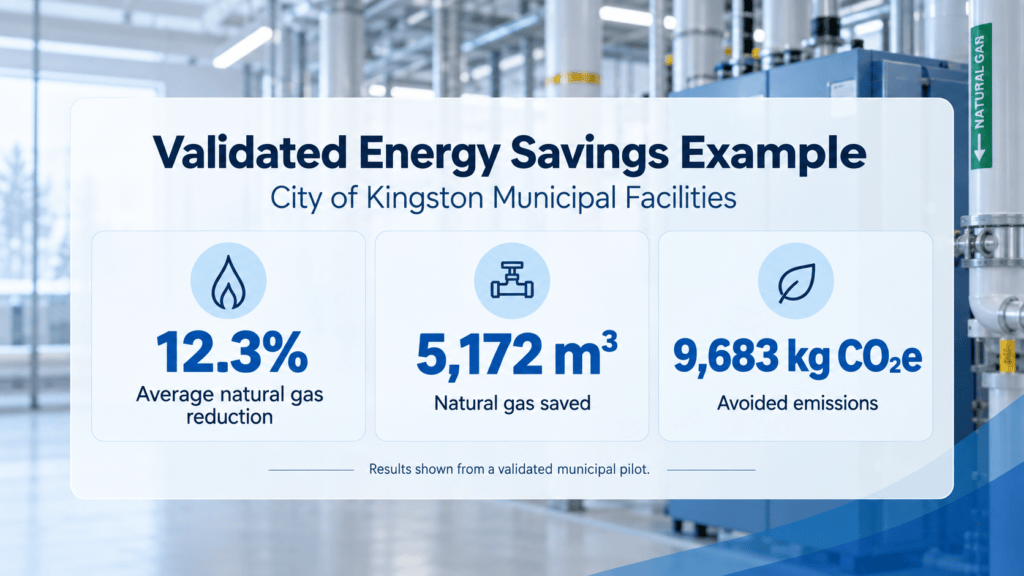
Water treatment energy savings in industrial and commercial facilities are not theoretical. Pace’s Eco Program, which includes EndoTherm, a surfactant-based hydronic additive, has been independently verified to reduce energy consumption by up to 15 percent in properly maintained hydronic systems. In a validated pilot with the City of Kingston, EndoTherm delivered an average 12.3 percent reduction in natural gas consumption across two municipal facilities, saving 5,172 cubic metres of fuel and avoiding 9,683 kg of CO2e emissions, with a return on investment achieved in under two years.
Extended Equipment Life
Industrial and HVAC equipment is a significant capital investment. Boilers, chillers and cooling towers that operate with properly controlled water chemistry typically achieve longer service life than equipment operating under similar conditions but with inadequate water treatment. The failure modes are predictable: corrosion-driven pitting, scale-induced hot spots, biofilm-accelerated degradation, and they are largely preventable.
Extending the service life of a boiler or chiller by five to ten years represents a substantial deferral of capital expenditure. For operations managing long-term capital plans, water treatment is one of the more defensible line items in the budget: the costs are known, the outcomes are documented, and the alternative is more expensive.
Fewer Unplanned Maintenance Events
Reactive maintenance is expensive beyond the repair cost. It disrupts operations, affects tenants and occupants, and frequently reveals secondary damage that would have been caught earlier with regular monitoring. A water treatment program with routine service visits and data logging gives you a continuous picture of system health so problems are caught early, when they are cheap to address.
The difference between a proactive water treatment and an emergency heat exchanger replacement is almost always data: specifically, whether someone was reviewing corrosion coupon results and water quality trends, allowing corrective action to be taken before adverse conditions contribute to more significant system deterioration or failure.
The Role of Monitoring and Data
A well-managed water treatment program generates valuable data on water chemistry, treatment residuals, corrosion rates, microbiological activity, and other key parameters. Trending these results over time helps assess treatment performance, identify changes in system conditions, and determine where corrective action or further investigation may be required.
Pace’s e-Service Reporting platform places a library of historical service reports and historical water treatment data at a facility manager’s fingertips, enabling easy historical trending. RemoteLink monitoring technology provides real-time data directly from water treatment controllers, extending water treatment data visibility between scheduled service visits and enabling facility teams to monitor key operating parameters and identify changing conditions as they occur. Together, these tools provide a comprehensive view of the water treatment program performance, particularly when managing multiple systems across a large facility or property portfolio.
Water Treatment and Regulatory Compliance
Energy savings and equipment life are the outcomes most facility managers focus on, but there is a third consideration that is growing in importance: regulatory compliance. Canadian cities and provinces are increasingly tying building emissions and energy performance to operating permits and incentive programs. Water treatment contributes directly to both emissions and efficiency targets.
A boiler operating with properly controlled water chemistry and clean heat-exchange surfaces helps preserve boiler efficiency, reducing the fuel required to achieve the same thermal output. Cooling towers and condenser-water systems that are free of scale, deposits, and microbiological fouling are better able to maintain efficient heat rejection and overall cooling-system performance, reducing the additional energy demand that can result from degraded heat transfer. For facilities in Ontario, British Columbia, and Quebec where building emissions reporting requirements are tightening, that documentation has real value beyond the energy bill.
Making the Business Case
For facility managers who need to justify water treatment investment to ownership or finance, the key inputs to a business case are:
- Current energy spend on HVAC and process systems, fuel and electricity
- Estimated efficiency improvement from treatment can be 5% to 15% for systems with existing scale or fouling
- Equipment replacement timelines and capital cost deferral
- Avoided reactive maintenance costs based on historical data
- Incentive programs or rebates available for documented energy efficiency improvements
A properly implemented HVAC water treatment program can provide a measurable return on investment through optimizing energy efficiency, reduced maintenance costs, and protection against premature equipment failure.
Choosing the Right Partner
Water treatment is a technical discipline. The chemistry is specific to your system’s water quality, materials of construction, and operating conditions. Getting it wrong, the wrong inhibitor, the wrong biocide, the wrong control targets, can cause more damage than no treatment at all.
Pace Solutions has been serving industrial, manufacturing, and commercial facilities across Canada for over 40 years. Our service team is supported by Certified Water Technologists (CWTs), and our programs are built on direct knowledge of the systems we treat. If your facility is running systems without a documented water treatment program, or if your current program has not been reviewed recently, contact your regional Pace representative for a facility assessment.